Women solo group travel to Porto, Portugal
Porto: Where River and City Flow Together in Color, Flavor, and Song
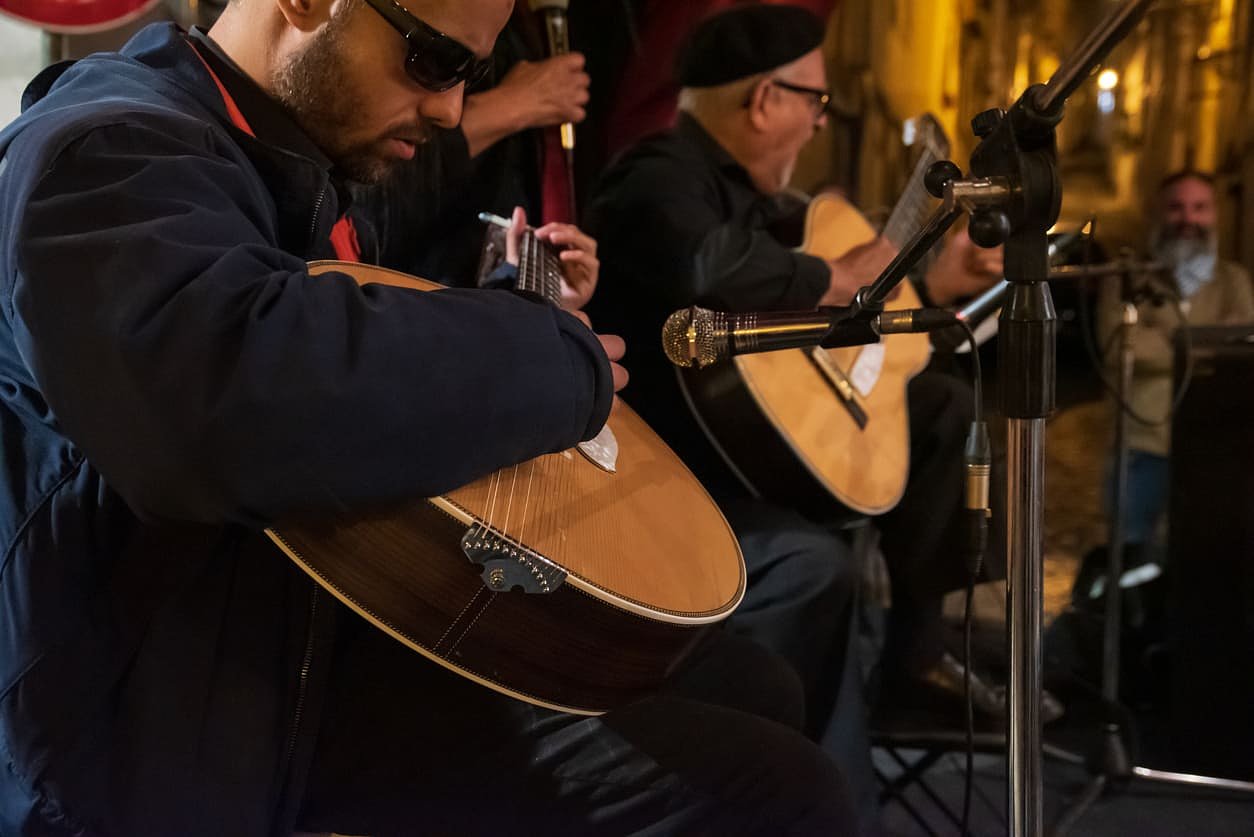
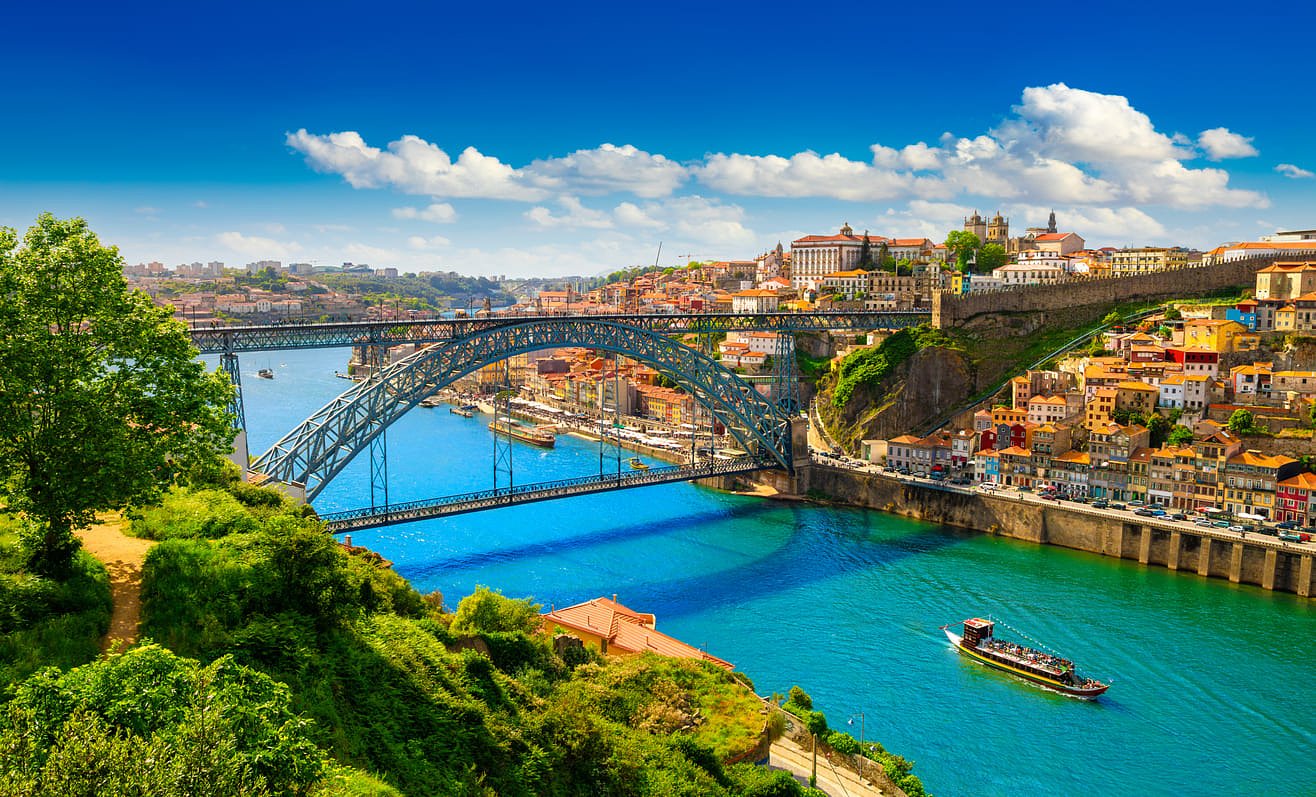
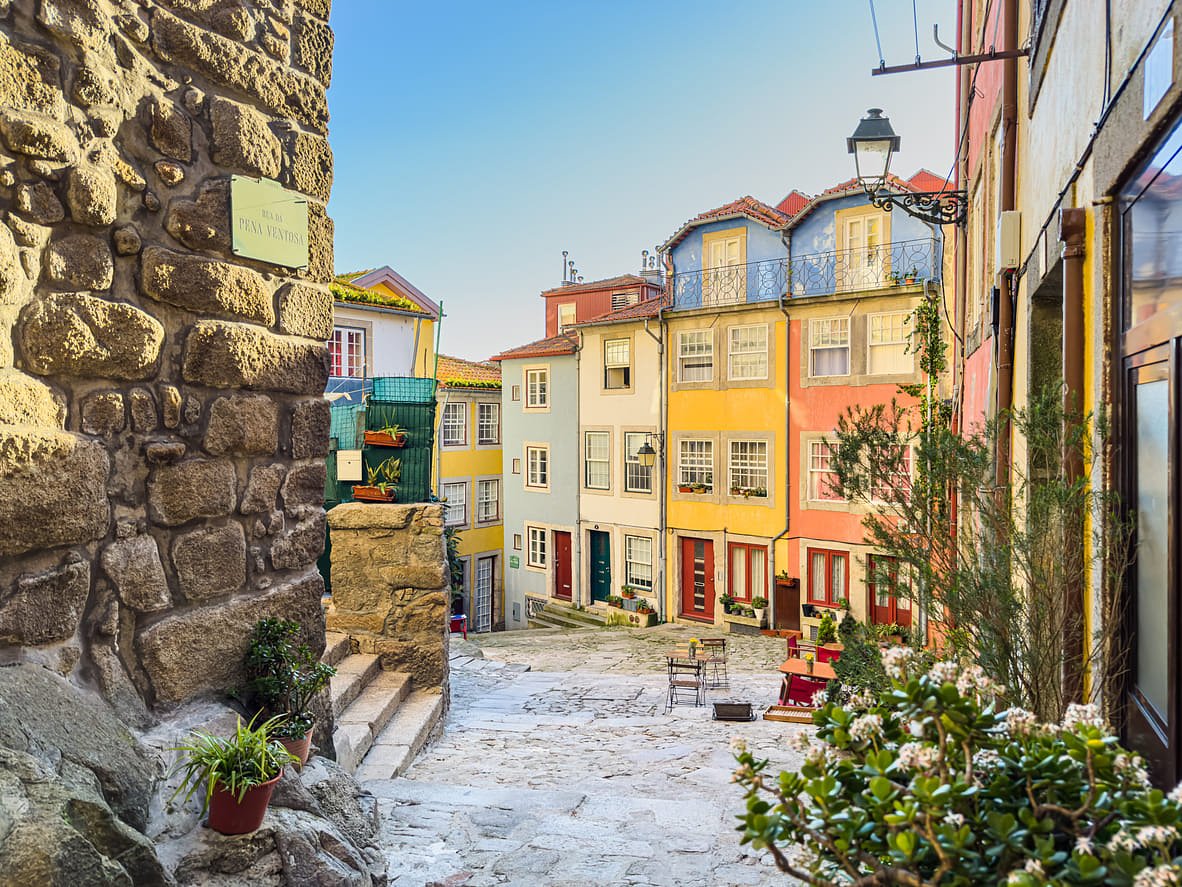
Porto is a city that talks to your senses. Sunlight dances on the Douro River as the Dom Luís I Bridge stretches its iron frame across the river. In the Ribeira neighborhood, cobbled lanes fill with pastry-sweet scents and Fado’s haunting song. Here, history is layered: Roman foundations beneath Baroque arches, modern art tucked inside medieval walls. For the solo traveler, Porto is both inviting and unhurried - a place to savor, to listen, and to discover friendship in unexpected corners.

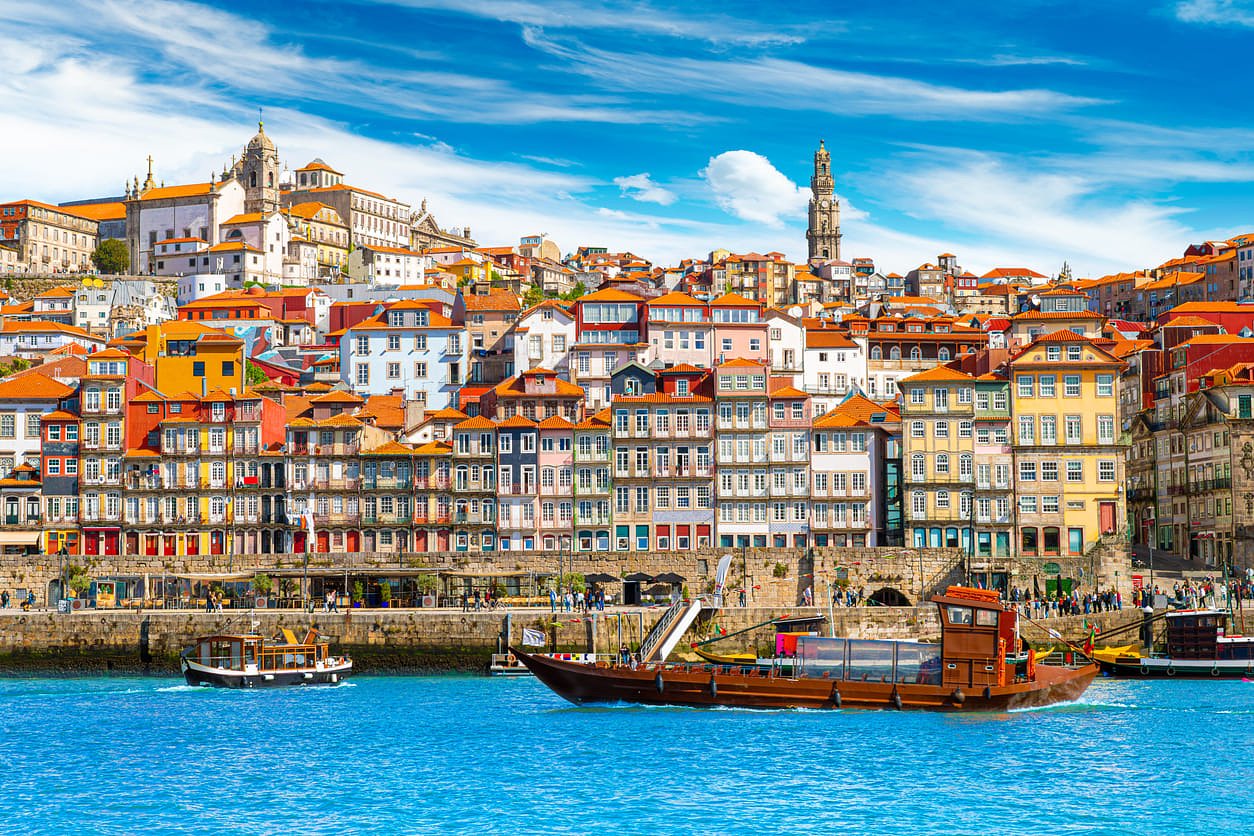
The Ribeira’s Colorful Heart
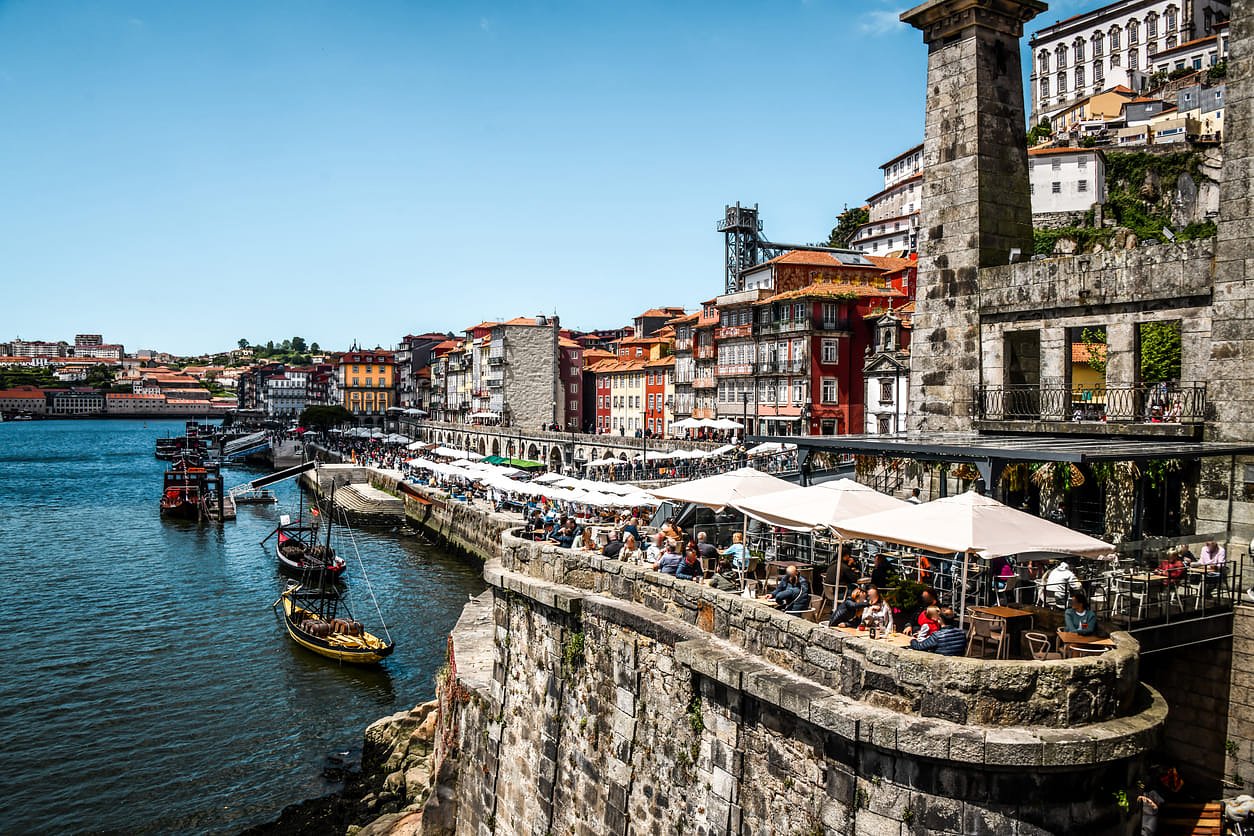
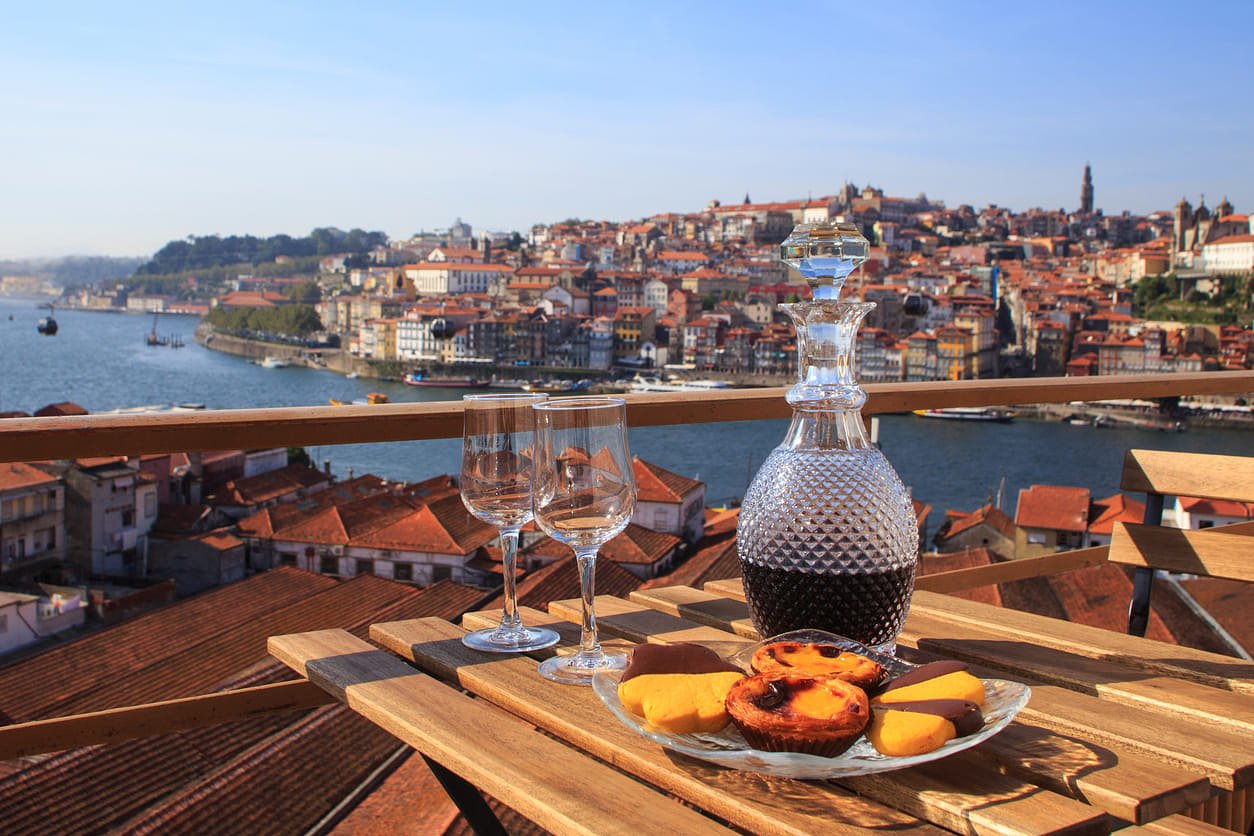
Stroll through Porto’s Ribeira District, a UNESCO treasure. Its streets are lined with pastel houses, age-old churches, and cafés spilling onto the waterfront. Here, the air is filled with the scent of the famous Pastel de Nata pastry and the sound of Fado drifting from hidden corners.

Port Wine’s Timeless Legacy
Porto is synonymous with its world-famous wine. Across the river in Vila Nova de Gaia, historic wine cellars await. Taste ruby and tawny ports, learn the craft of ageing barrels, and sip while gazing at the city’s skyline through a golden hue of evening light.

A Culinary Journey
From busy markets to a private cooking class, Porto is a feast for the senses. Shop for plump and fresh ingredients, tie on your apron, and prepare dishes like bacalhau and caldo verde. Afterwards, share a meal with wine, an intoxicating world of flavors and friendship.
Our upcoming trips to Portugal

Lisbon, Portugal
Oct 20, 2026 · 9 Days
Lisbon and the Island of Madeira: The Tapestry of Portugal


About Porto
Porto is a city that feels timeless, yet utterly alive. Carved into the hillsides of the Douro, it balances grit and grandeur with effortless poise. Once the Roman settlement of Portus Cale, the city gave Portugal its name, and its streets still tell that long story. Medieval cathedrals sit beside Baroque churches, while houses covered in blue-and-white azulejo tiles climb the hillsides. The historic center, recognised by UNESCO in 1996, offers one highlight after another: the Dom Luís I Bridge arching across the river, the Palácio da Bolsa with its gilded details, and São Bento Station, where 20,000 hand-painted tiles depict battles, saints, and kings.
But Porto is far more than monuments. This is the birthplace of port wine, aged in cellars across the river in Vila Nova de Gaia and poured with quiet pride. Local markets brim with salted cod, fresh cheeses, and sweet pastries, while Porto’s famous francesinha sandwich arrives hearty and drenched in rich sauce. By night, the sound of Fado drifts from tucked-away taverns, a reminder of the city’s soulful character. Add a cruise beneath Porto’s six bridges, shopping for handmade soaps and regional wines, or an evening in a Michelin-starred restaurant, and you’ll discover Porto as it truly is - a welcoming city that rewards every traveler.
Learn more about Portugal by reading our Portugal Travel Guide.
Faqs about trips to Porto, Portugal
What documents do I need to travel to Porto?
U.S. citizens need a valid passport to enter Portugal. No visa is required for stays under 90 days in the Schengen Zone. Ensure your passport is valid for at least three months beyond your departure date.
What vaccinations or health precautions should I take?
No special vaccinations are required to visit Porto, but it is recommended to stay up to date on routine immunizations like MMR, tetanus, and influenza. Portugal has excellent healthcare, but carry prescriptions in original packaging, along with copies.
What is the local currency, and should I exchange money before I arrive?
Portugal uses the Euro (EUR). Bring a small amount of cash for markets, taxis, and cafés, but withdraw euros from ATMs once you arrive for better exchange rates. Credit and debit cards are widely accepted.
Are credit cards widely accepted in Porto?
Yes. Visa and Mastercard are commonly used, but American Express is less accepted. Always have some euros handy for small shops and rural excursions. Contactless payments are increasingly popular and quick.
What language is spoken in Porto, and will I be able to communicate in English?
Portuguese is the official language. English is widely spoken in hotels, restaurants, and tourist areas. Locals appreciate it when travelers learn a few words of Portuguese, such as bom dia (good morning) and obrigada (thank you).
Are there any cultural customs or etiquette rules I should know?
Portuguese culture values warmth and respect. Greet people with a friendly “bom dia.” Dining is leisurely, with dinners often starting late. Dress modestly when visiting churches and be mindful of quiet reflection in sacred spaces.
What is the tipping culture in Porto?
Tipping is not mandatory but always welcome. Round up the bill in cafés, leave 5–10% in restaurants with table service, and tip taxi drivers by rounding up the fare.
Is Porto safe for women travelers?
Yes, Porto is considered very safe for solo women travelers. Petty theft can occur in crowded areas, so keep valuables close. Girls’ Guide adds another layer of reassurance: traveling in a small, supportive group of like-minded women.